

/ About Me
Hi, I'm Dain.
I've always been drawn to building things. As a kid, that meant assembling toys, fixing broken items, and spending hours making things with whatever materials I could find. Years later, the rapid development of artificial intelligence and robotics reignited that same curiosity and ultimately led me to pursue robotics engineering.
Today, I'm focused on developing practical robotic systems and continuously expanding my understanding of software, electronics, control systems, and mechanical design. I enjoy turning ideas into working systems, understanding how the pieces fit together, and documenting what I learn along the way.
Thanks for visiting. Whether you're here out of curiosity, shared interests, or a potential opportunity, I appreciate your time and interest in my work.


— Direction
What guides the work
Vision
Serve society through thoughtful engineering and reliable technology.
Approach
Build thoughtfully, keep learning, and prioritize simplicity, reliability, and clear system design.
Current Focus
Develop practical experience across robotics, software, electronics, control systems, and mechanical design through hands-on projects.
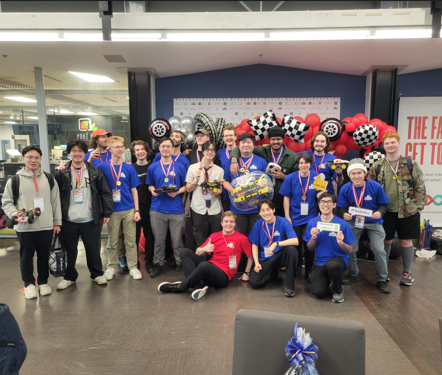
BCIT Robotics Club RC Competition
Led the development of a competition robot, earning 1st place in the sumo event and 2nd place in the obstacle course.
The Road to Robotics
BCIT Robotics Program - Year 1
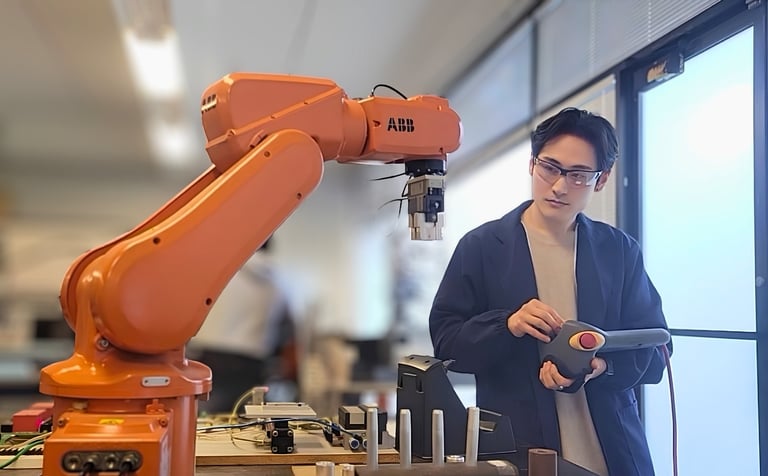
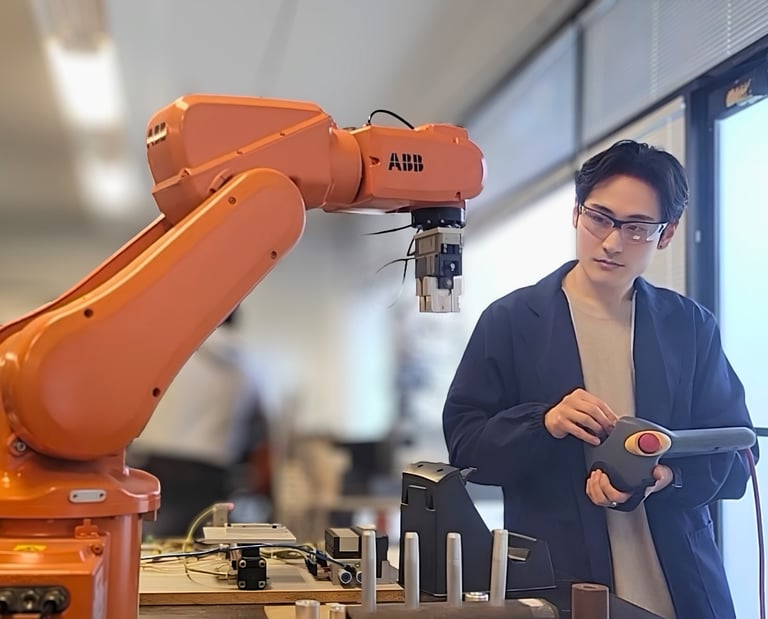
Developed foundational engineering skills through coursework in mathematics, physics, C programming, CAD, manufacturing, and mechatronics systems.
2026
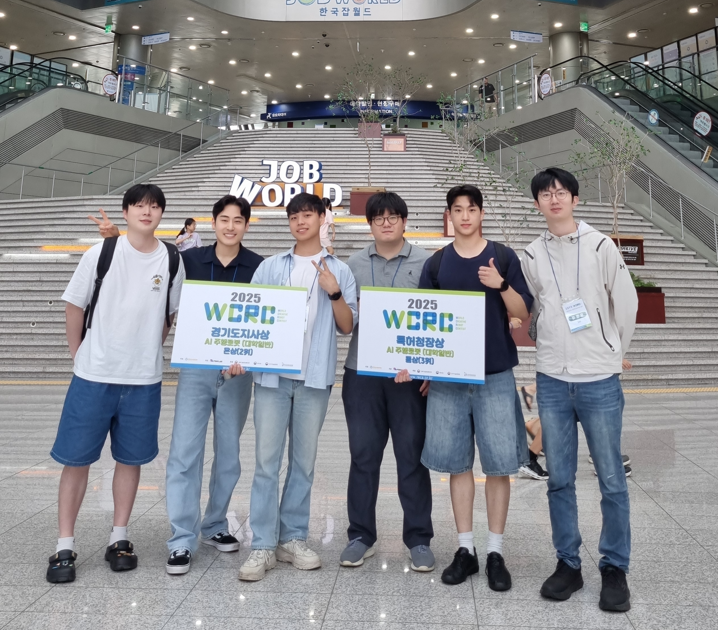
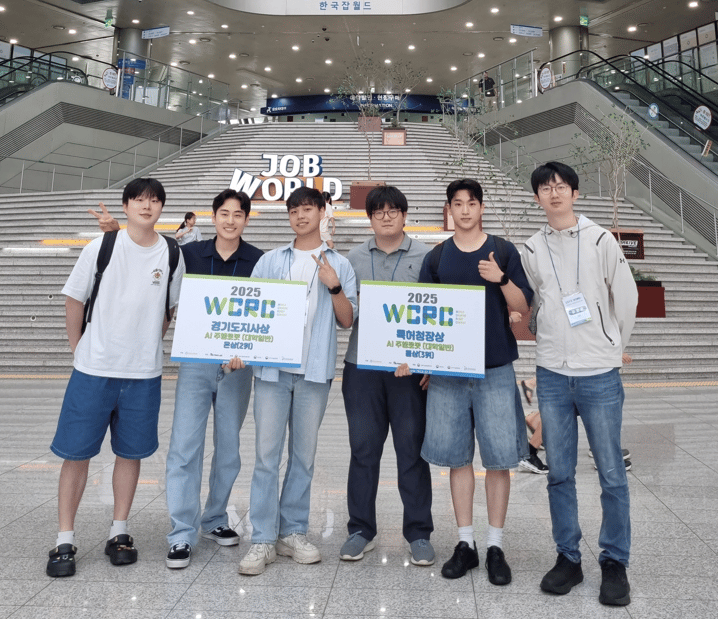
World Creative Robot Competition
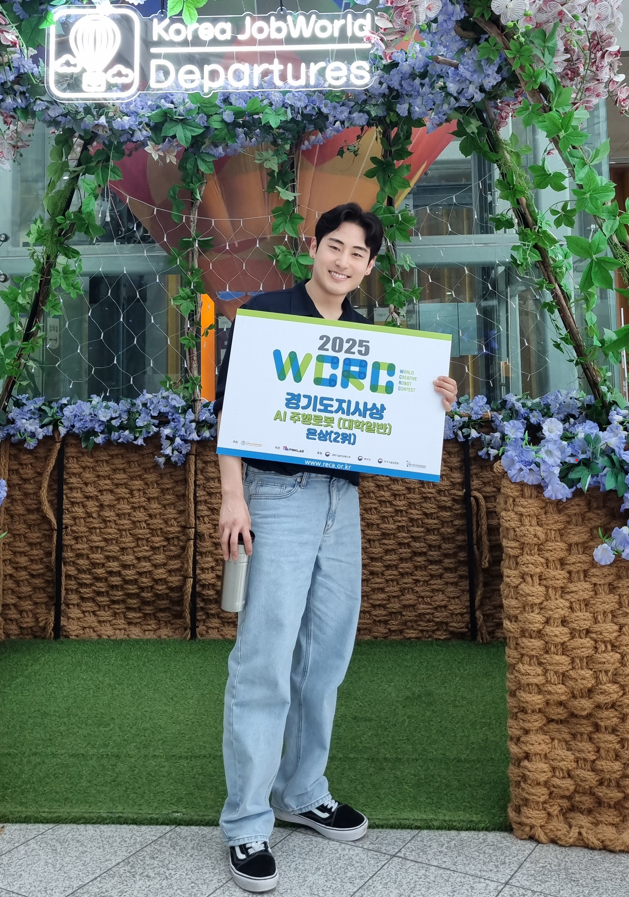
Awarded Silver Prize (2nd Place) in the AI Driving Robot University/General Division at WCRC 2025.
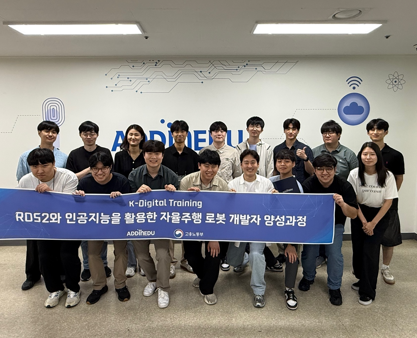
ROS2 & AI Autonomous Driving Robot Bootcamp
Completed an intensive robotics program covering ROS2, AI, computer vision, embedded systems, system integration, and hands-on robotics development.
2025
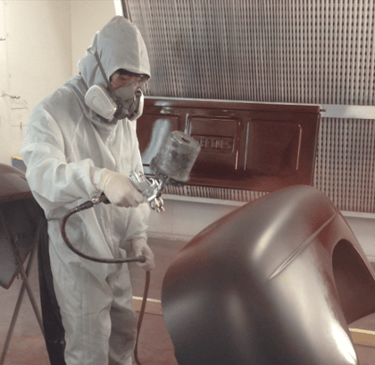
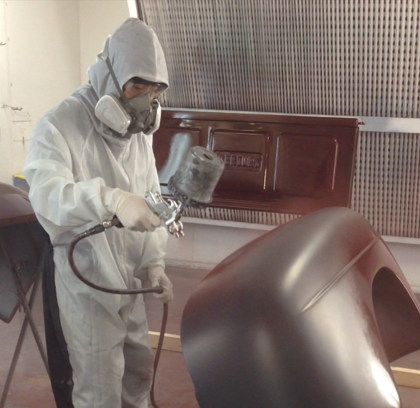
Autobody Refinishing Technician
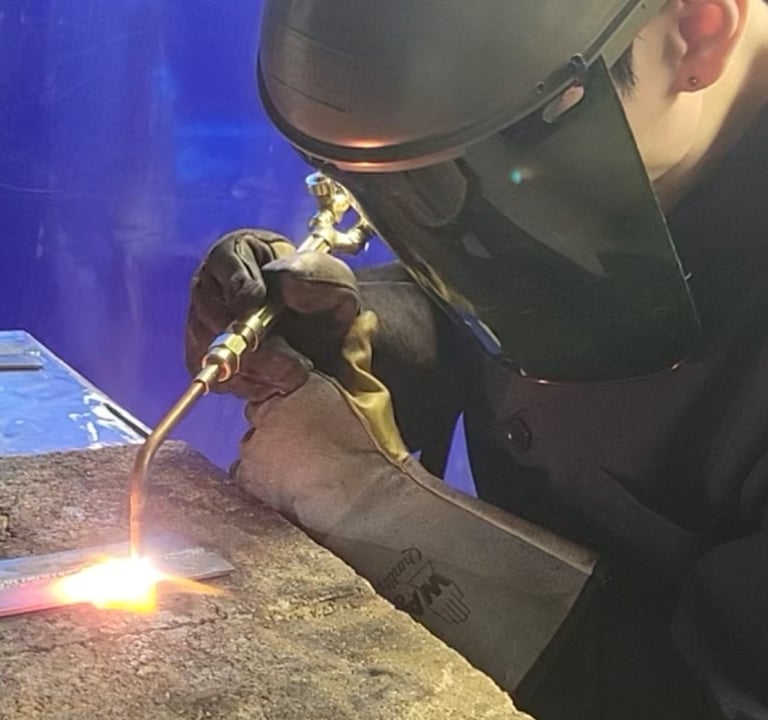
Repaired and refinished automotive vehicles, building hands-on mechanical experience over 6 years.
2013
Specific areas, not a keyword list.
Actuation & Drive Systems
Sensor Fusion & Perception
Control Systems & Mechanical Design
Motor selection, drive topology, torque budgets, and closed-loop velocity control — from brushless DC to stepper-driven precision stages.
IMU integration, encoder-based odometry, Kalman filtering, and camera-lidar alignment — building state estimates that survive real hardware noise.
PID and state-space controllers tuned on physical hardware, paired with structural design — brackets, linkages, and tolerances that hold under load.
See the full engineering record.
Projects, domains, and timeline — the résumé carries the specifics. The contact page is the next step if anything warrants a conversation.